Building cyber resilience for tactical systems
Why it matters
- The next cyber attack won't wait
- Early threat detection protects mission effectiveness
- Cyber resilience is becoming a battlefield necessity
As modern military operations become increasingly more connected, today’s warfighters rely on integrated platforms and communications that allow them to operate seamlessly in highly contested environments. But with more interconnected systems comes a higher risk of adversaries disrupting and attacking critical missions.
“Everything on the modern battlefield is connected, which means everything can become a target,” said Matt Peaslee, Leidos Vulnerability Identification and System Exploitation (VISE) Penetration Testing team lead. “Cyber resilience can no longer be an afterthought. It must be embedded directly into the systems warfighters depend on every day.”
To meet that challenge, Leidos is advancing Cyber and Electromagnetic Activities (CEMA) Resiliency System (CRS) capabilities designed to help military systems withstand, recover from and deter cyber attacks.
How cyber resilience is built into tactical military systems
CRS offers advanced technologies that enable weapon systems, networks and communication platforms to continue operating even when facing cyber threats. However, many traditional cyber tools lack visibility into tactical environments where connectivity may be limited, degraded or under attack.
Leidos addresses that gap by embedding cyber resilience directly into tactical hardware systems, enabling early detection and response where missions are executed. Using AI and machine learning, the system monitors network and host behavior in real time, flagging anomalies and intrusions that may indicate malicious behavior before they escalate into mission-impacting events.

If something in the system suddenly behaves differently than expected, our technology can identify that anomaly quickly and help operators understand what’s happening. That early warning can provide critical additional time for warfighters to respond.
Nathan Lewis
CRS Detection Engineering Team Lead, Leidos
The system functions as one of the few tactical cyber sensors operating at this level, providing operators with actionable insights to troubleshoot and respond to threats in real time.
Testing cyber resilience during military exercises
Lewis emphasizes that the Leidos CRS is not simply developed as an in-house prototype – it is also tested in training exercises alongside military users.
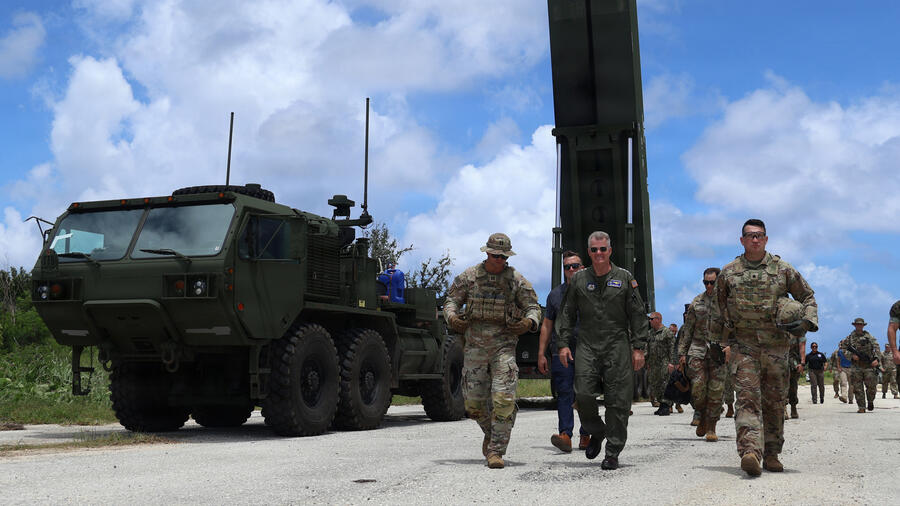
On June 22-July 2, the Leidos CRS team supported Valiant Shield, a multinational, biennial field training exercise in Guam focused on integrating interoperability in a multi-domain environment. During the exercise, Leidos validated its CRS performance in contested scenarios reflective of modern military operations.
“Our participation in exercises like Valiant Shield allows us to validate our CRS solution where it matters most,” said Lewis. “This year’s exercise was critical in demonstrating how tactical cyber resilience technologies perform under realistic conditions while incorporating operator feedback to refine capabilities."
The future of cyber resilience in CEMA operations
As cyber and electromagnetic warfare continues to evolve and the Department of War modernizes its approach to critical mission areas such as homeland defense, the need for technologies that help military operators detect threats earlier, maintain operational effectiveness and respond faster in dynamic environments will only grow.
Multi-tiered architectures like CRS are helping address that challenge by bringing advanced cyber detection, AI-enabled analytics and operational resilience directly to the systems that matter most. Whether supporting military exercises like Valiant Shield or strengthening integrated homeland defense from air and missile threats, CRS helps deliver earlier warning, greater situational awareness and more time for operators to act.