Modernizing airport checkpoints with biometric eGates
Three points to remember
- Biometric eGates are designed to automate passenger identity verification, streamlining entry into the screening process while maintaining strong security standards.
- The collaboration between Leidos and IDEMIA Public Security is enabling airports to integrate credential authentication and biometric identity technologies into checkpoint infrastructure to operate checkpoints more efficiently.
- As passenger volumes grow, biometric-enabled eGates provide a scalable foundation for more modern, digitally integrated airport security operations.
Rising passenger volumes are driving longer wait times, highlighting a growing gap between demand and the capacity of current checkpoint operations.
At the same time, travelers increasingly expect faster, more seamless experiences as they move from curb to gate. For airport operators and security personnel, the challenge is intensifying upholding rigorous security standards while accelerating throughput and improving overall checkpoint efficiency.
Advances in digital identity and automation are helping make that balance possible. Through a strategic collaboration, Leidos and IDEMIA Public Security are working together to advance the next phase of airport checkpoint modernization by deploying integrated credential authentication and biometrically enabled electronic gates (eGates) across U.S. airports.
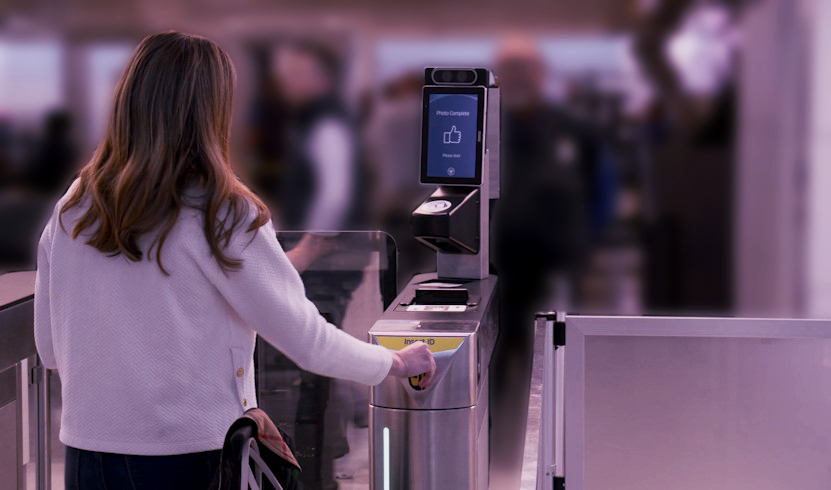
These automated eGates streamline the authentication process at checkpoints, creating a smarter, more frictionless experience for travelers while enabling more efficient operations for airports and security officers.
A new model for identity verification at the checkpoint
The collaboration combines IDEMIA’s federally certified credential authentication and biometric identity technologies, including AutoCAT—an automated eGate that integrates credential authentication and biometric verification—with Leidos’ expertise in checkpoint integration, security screening modernization and deployment across airports.
Together, these capabilities enable a proctored, self-service checkpoint model that allows travelers to authenticate credentials, such as government-issued IDs, at automated eGates before proceeding through security screening. Biometric data is used solely for identity verification at the checkpoint and is not retained, helping ensure traveler privacy while maintaining strong security standards.

Airports are looking for ways to improve throughput while maintaining the highest security standards. By combining advanced credential authentication with biometric identity verification, these eGates create a secure, efficient pathway for travelers while giving security officers greater operational flexibility at the checkpoint.
Seth Abrams
Leidos Vice President and Chief Technology Officer - Airports, Borders and Security
IDEMIA’s and Leidos’ integrated technological approach enables airports to rethink how checkpoint entry is managed. A single security officer can monitor multiple stations at the front of the checkpoint lane, allowing other officers to be reassigned to different parts of the screening process, optimizing staffing without compromising security.
Faster throughput and a better passenger experience
For travelers, the impact is immediate. By automating credential verification, eGates can help reduce bottlenecks that often occur at the front of security checkpoints.
The eGate experience is designed to accommodate all travelers and can be deployed for both standard passengers and those enrolled in programs such as PreCheck®, depending on airport needs. Frequent travelers can move through the checkpoint with minimal friction, while others can authenticate their identity using familiar documents such as a driver’s license or passport.
Travelers today expect the same level of digital convenience at the airport that they experience in other parts of their daily lives,” Abrams said. “Biometric-enabled eGates make that possible while preserving the strong identity verification processes that help maintain aviation security.”
Because IDEMIA’s credential authentication technologies integrate smoothly into Leidos’ architecture, airports can rapidly deploy flexible infrastructure that can adapt to evolving passenger volumes and security requirements, and scale as part of broader modernization efforts.
Building the digitally integrated airport
While eGates deliver immediate operational improvements, they also represent an important milestone in a broader transformation of airport security operations.
Together, Leidos and IDEMIA are helping airports and government partners move toward biometric-enabled checkpoint ecosystems or digitally integrated environments where identity verification, passenger processing and security screening work together to create a more efficient checkpoint experience.
With this approach, biometric verification and automated credential authentication help streamline passenger movement throughout the airport, from check-in to boarding.

IDEMIA’s AutoCAT product is more than a traditional eGate. It seamlessly automates identity verification for all passengers, helping to ensure everyone can benefit from new technology, whether they prefer identification or the use of an identity document.
Krista Powers
IDEMIA Vice President, Account Management, Public Security
Advancing the future of checkpoint modernization
For security officers, airports and travelers alike, the goal is the same: a checkpoint experience that is secure, efficient and prepared for the demands of modern air travel.
Through collaborations like the one between Leidos and IDEMIA, airports now have a scalable path forward. By combining biometric identity verification, credential authentication and automated checkpoint infrastructure, eGates enable airports to modernize security operations while delivering the streamlined travel experiences passengers increasingly expect.
As air travel continues to evolve, technologies that strengthen security while improving efficiency are expected to play a central role in shaping the future of aviation—and Leidos and IDEMIA are working together to help lead that transformation and help airports meet those demands.
Learn more about IDEMIA's biometric identity technologies.