Data centers are reshaping natural gas demand
Growing electricity needs are changing energy infrastructure planning
Why it matters
Data centers are driving new electricity demand
Natural gas remains important to reliable power generation
Energy infrastructure planning must account for growing demand
Artificial intelligence, cloud computing and digital services are driving rapid data center development across the United States. As these facilities demand more reliable, around-the-clock power, their impact is extending beyond the electric grid to natural gas infrastructure.
The U.S. Energy Information Administration (EIA) identifies large computing facilities as a major driver of rising electricity demand and expects the strongest four-year period of U.S. electricity demand growth since 2000.
Natural gas and the growing power need
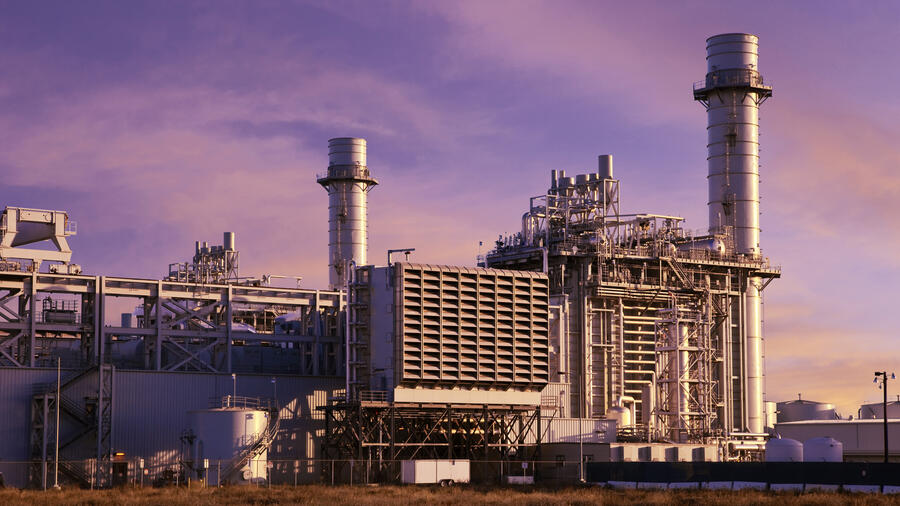
Natural gas remains a major source of U.S. electricity generation and is expected to continue playing an important role as electricity demand grows.
EIA forecasts natural gas consumption in the electric power sector to increase, driven in part by rising electricity demand, additions to natural gas-fired generating capacity and relatively low natural gas prices.
Data centers are a significant part of that demand, particularly in high-growth markets such as Texas and the Mid-Atlantic.
While renewables and storage will also play important roles, natural gas-fired generation can provide dispatchable power when demand is high or renewable output is lower. EIA analysis also shows that if data center electricity demand grows faster than expected, natural gas generation could play an even larger role as utilities work to meet new demand while additional generating capacity is planned, permitted and connected.
Planning across the energy system
For utilities and developers, growing electricity demand raises broader questions about gas and electric capacity, transmission and distribution infrastructure, generation strategy, permitting, resiliency and project timing.
Addressing these challenges requires coordination across multiple disciplines. As part of Leidos, our approach brings together transmission, civil, gas, generation and utility coordination to support data center development from grid to gate.
These capabilities include interconnection and grid access, owner’s engineering, power generation strategy using gas, renewables or storage, transmission and substation design, construction support and lifecycle resiliency.
Bringing these disciplines together can help utilities and data center developers identify constraints earlier, coordinate solutions and plan infrastructure across the full energy system.
As data center development continues to accelerate, successful projects will increasingly depend on planning gas, electric and generation infrastructure together rather than in isolation.
Key takeaways
Data center growth is increasing U.S. electricity demand and the need for reliable energy infrastructure
Natural gas remains an important part of meeting growing power needs alongside renewables and storage
Coordinated planning across gas, electric and generation infrastructure can help address growing demand