Expanding rural healthcare access with technology
Access to healthcare remains uneven across the United States, with rural communities facing growing gaps in care. At HIMSS 2026, Melanie Krause, Leidos QTC’s senior vice president of enabling operations and leader of its rural health campaign, shared how technology and new delivery models can help close that gap.
How can we expand access to rural healthcare in the U.S., and why is it important?
Gaps in access to care are widening at the same time that our healthcare needs are becoming more complex. About 43 million Americans live in rural areas without enough primary care providers, including 3.2 million of our nation’s veterans. A recent Commonwealth Fund study showed that 200 rural counties don’t have a provider at all. The outcomes are concerning — fragmented access, poorer health outcomes, and increased costs. The challenge isn’t just providing access to a single appointment, such as an urgent care visit. It’s about delivering scalable, repeatable care delivery models that ensure high-quality care reaches where patients where they are.
How does Leidos QTC Health Services help address this challenge?
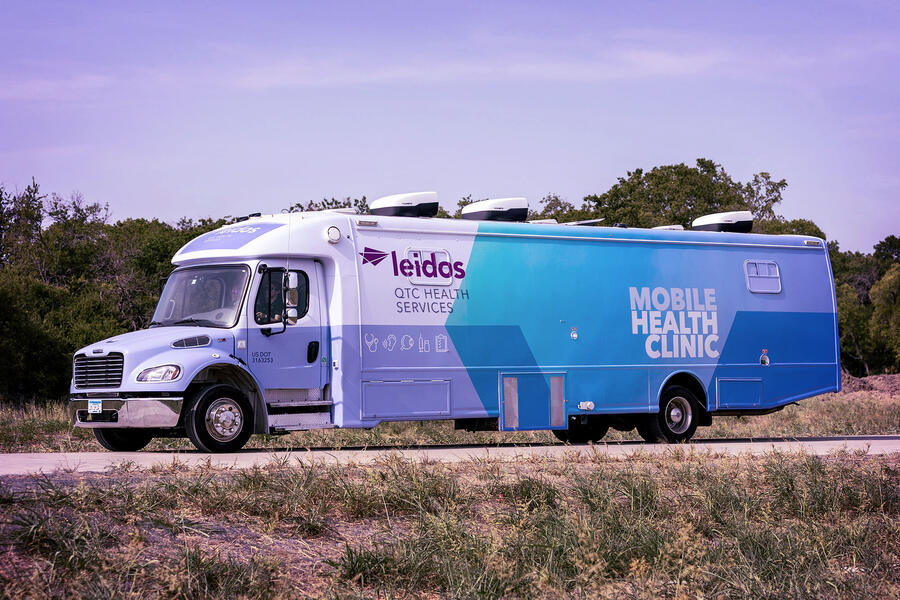
At Leidos QTC Health Services, we manage services that connect care to patients where and when they need it. In practice, this includes mobile clinics and traveling providers who bring care directly to patients. We also use AI-enabled tools to streamline screening and reduce unnecessary appointments, along with telehealth solutions that connect rural patients with specialists. By integrating electronic health records and care coordination, we help ensure that care and information follow the patient wherever they go next.
Ultimately, our goal is to ensure that people have access to the care and services they need, regardless of geography. While AI plays an important role in enhancing our clinicians, it does not replace them. Instead, these tools help bridge fragmented systems and enable a smaller workforce to care for more patients, more efficiently.
Can you summarize what success looks like when it comes to addressing rural health care delivery?
Success means bringing care to patients where they need it, when they need it — so a person’s zip code no longer determines whether, or how quickly, they receive care.